Essential Guide to Melamine Soup Ladles

application/melamine-soup-ladle, application/melamine-soup-ladle, 
Inquiry
Inquiry

melamine soup ladle

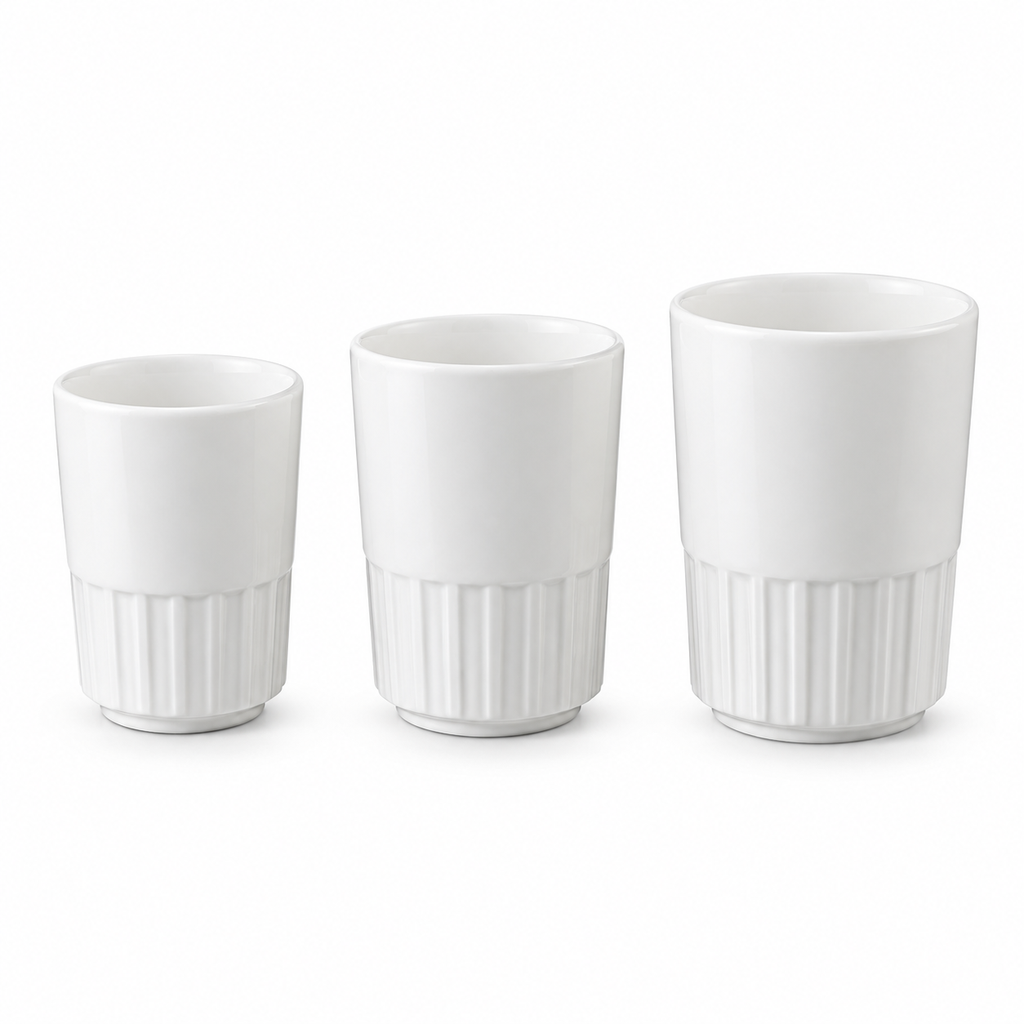
Melamine soup ladles are essential tools in commercial kitchens, designed to serve and portion soups, stews, and other liquids efficiently. As a B2B buyer, understanding the specifications, quality control processes, and cost factors associated with purchasing melamine soup ladles is crucial for making informed decisions. This article will help purchasing managers, distributors, and other professionals navigate these considerations to ensure they select the right product for their operational needs. For instance, melamine products such as White Textured Melamine Drinking Cups for Restaurants & Hotels can complement soup ladles in a restaurant setting.

Understanding the Quality Control Process for Melamine Products

Understanding the Quality Control Process for Melamine Products

Quality control is vital in the manufacturing of melamine soup ladles to ensure they meet industry standards and customer expectations. The process typically involves several critical steps:

Raw Material Inspection: Before production begins, the quality of the melamine resin must be verified. This includes testing for purity and compliance with FDA and LFGB regulations.

In-Process Quality Checks: During manufacturing, regular inspections should be conducted to monitor the molding process, ensuring that the ladles are produced to the specified dimensions and tolerances. This includes checking for defects such as bubbles, uneven surfaces, and color consistency.

Final Product Testing: Once the ladles are molded and cooled, they should undergo final testing, which may include thermal resistance tests and strength assessments. This step is critical to ensure that the ladles can withstand the rigors of commercial kitchen use.

Packaging Inspection: A thorough review of the packaging process is essential to prevent damage during transit. Packaging should protect the ladles from scratches and breakage while being environmentally friendly.

By understanding the quality control processes involved, buyers can confidently select suppliers who prioritize product integrity and safety. Additionally, considering options like Melamine Tea Cup and Saucer Set can enhance the overall dining experience.

Cost Factors to Consider When Purchasing Melamine Soup Ladles

Cost Factors to Consider When Purchasing Melamine Soup Ladles

Several cost factors influence the pricing of melamine soup ladles that B2B buyers should keep in mind:

Material Costs: The quality of melamine resin affects the overall cost. Higher-grade materials may come at a premium but provide better durability and compliance with safety standards.

Customization Options: If buyers require custom designs, colors, or branding on the ladles, these features will add to the cost. Discussing customization capabilities with suppliers early in the purchasing process can help clarify budget expectations.

Order Quantity: Bulk purchasing often leads to discounts. Understanding the Minimum Order Quantity (MOQ) and negotiating for larger volumes can significantly reduce per-unit costs.

Shipping and Logistics: Transportation costs can vary based on the distance from the manufacturer and the chosen shipping method. Buyers should factor in these costs when budgeting for their orders.

Supplier Reputation: Established suppliers with a history of quality and reliability may charge more, but the assurance of product consistency and customer service can justify the investment.

By analyzing these cost factors, buyers can make more informed financial decisions regarding their melamine soup ladle purchases.

Installation Guidance for Melamine Soup Ladles in Commercial Settings

Installation Guidance for Melamine Soup Ladles in Commercial Settings

While melamine soup ladles are primarily ready-to-use products, there are best practices for their installation and usage in commercial kitchens:

Placement: Position ladles in easily accessible areas near soup pots or serving stations to streamline workflow. Consider using ladle holders or hooks to keep them organized and within reach.

Usage Protocols: Train kitchen staff on the proper use of ladles to avoid overheating and damage. For example, ladles should not be left in hot liquids for extended periods, as this can warp the material.

Cleaning and Sanitization: Establish a routine for cleaning the ladles to maintain hygiene. Melamine products are typically dishwasher safe, but manual washing with mild detergents is recommended to prolong their lifespan. Staff should be aware of washing temperatures to avoid potential damage.

Storage: Store ladles in a dry environment to prevent moisture accumulation, which can lead to mold or mildew. Consider using racks or designated containers to avoid scratching or other damage.

By following these guidelines, buyers can ensure that the melamine soup ladles are effectively integrated into their operational processes.

Common Problems with Melamine Soup Ladles and Effective Solutions

Despite their durability, melamine soup ladles can encounter certain issues. Here are common problems and their solutions:

Surface Scratching: Over time, ladles may develop scratches due to regular use. To mitigate this, avoid using metal utensils with the ladles and opt for silicone or plastic serving tools instead.

Deformation from Heat: If exposed to high temperatures, melamine ladles can warp. Educate staff on the safe temperature limits and encourage them to remove ladles from hot pots after use to prevent damage.

Color Fading: Prolonged exposure to sunlight or harsh chemicals can fade the color of melamine products. Advise staff to store ladles away from direct sunlight and use non-abrasive cleaning agents to maintain their appearance.

Brittleness Over Time: While melamine is sturdy, it can become brittle with age. Regularly inspect ladles for cracks or chips, and replace any that show signs of wear to maintain safety in food service.

By being aware of these common issues and implementing effective solutions, buyers can extend the lifecycle of their melamine soup ladles, ensuring consistent performance in their kitchens.

Key Specifications to Evaluate in Melamine Soup Ladles

When assessing melamine soup ladles, several key specifications should be considered:

Material Quality: Melamine is a durable thermosetting plastic known for its high resistance to heat and breakage. Ensure the ladles are made from FDA-approved melamine, which guarantees safety and compliance with health regulations.

Dimensions: The size of the ladle—typically ranging from 10 to 14 inches in length—affects its usability. A longer handle can provide better reach for deep pots, while a larger scoop allows for quicker serving. Buyers should confirm the dimensions based on their specific serving needs.

Weight and Balance: A well-balanced ladle will feel comfortable in hand, which is crucial in a busy kitchen environment. Consider the weight distribution to ensure ease of use during extended service.

Design Features: Look for ladles with ergonomic handles that reduce hand fatigue, as well as spouts for easy pouring. A ladle with a flat bottom can also help with stability when placed down.

Temperature Resistance: Melamine soup ladles typically can withstand temperatures up to 212°F (100°C). It’s important to confirm this specification, as exposure to higher temperatures can lead to warping or melting.

By evaluating these specifications, buyers can ensure that the melamine soup ladles meet their operational requirements and quality standards.

Frequently Asked Questions

What materials are used in this melamine soup ladle?

Our ladle is made from high-quality melamine resin formulated for durability, heat resistance, and food safety, produced in our certified facilities to meet FDA and LFGB standards.
Yes. It is manufactured to comply with FDA and LFGB certifications and is suitable for typical serving temperatures; avoid direct flame or oven use to prevent deformation.
Yes. We provide both OEM and ODM services, including custom colors, shapes, logos, and packaging tailored for hotels and retail clients.
Minimum order quantities and lead times vary by customization. With large production capacity, typical lead times range from weeks; contact us with specifications for precise estimates.
Hand wash recommended with mild detergent and avoid abrasive scrubbers. It is dishwasher-safe on the top rack in many cases, but prolonged high-heat cycles are not advised to maintain finish.

Get a Free Quote

Our representative will contact you soon.
0/1000