Common Issues and Benefits of Melamine Serving Spoons

application/melamine-serving-spoon, application/melamine-serving-spoon, 
Inquiry
Inquiry

melamine serving spoon

Melamine serving spoons are essential utensils in the hospitality sector, known for their durability and versatility. As a purchasing manager or product buyer, understanding the specifications and applications of melamine serving spoons is crucial to make informed choices. This article addresses common concerns, highlights optimal applications, and discusses material advantages and purchasing considerations for melamine serving spoons.

Top Applications for Melamine Serving Spoons in the Hospitality Sector

Top Applications for Melamine Serving Spoons in the Hospitality Sector

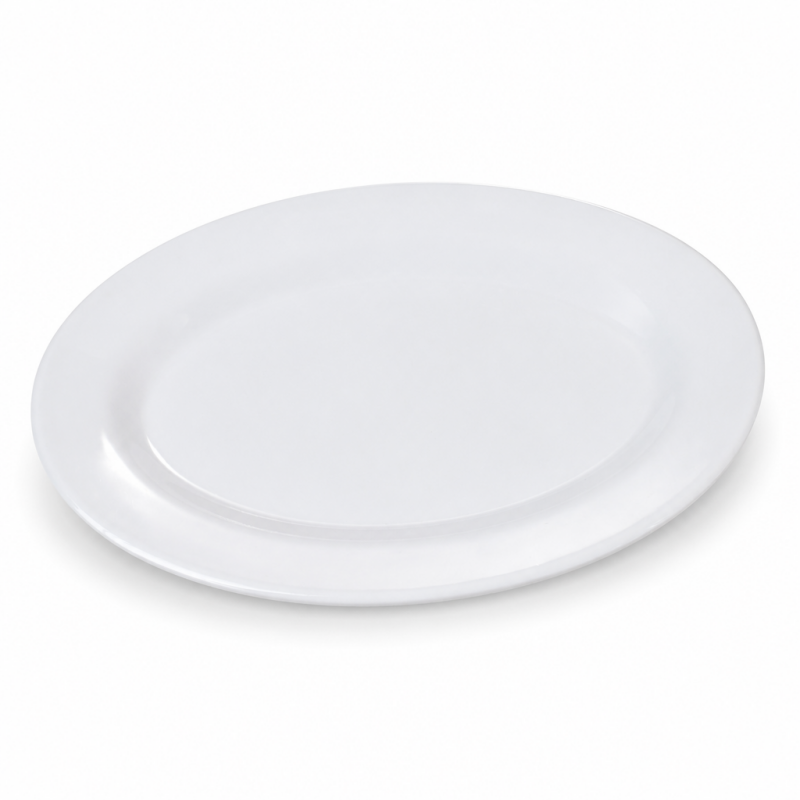
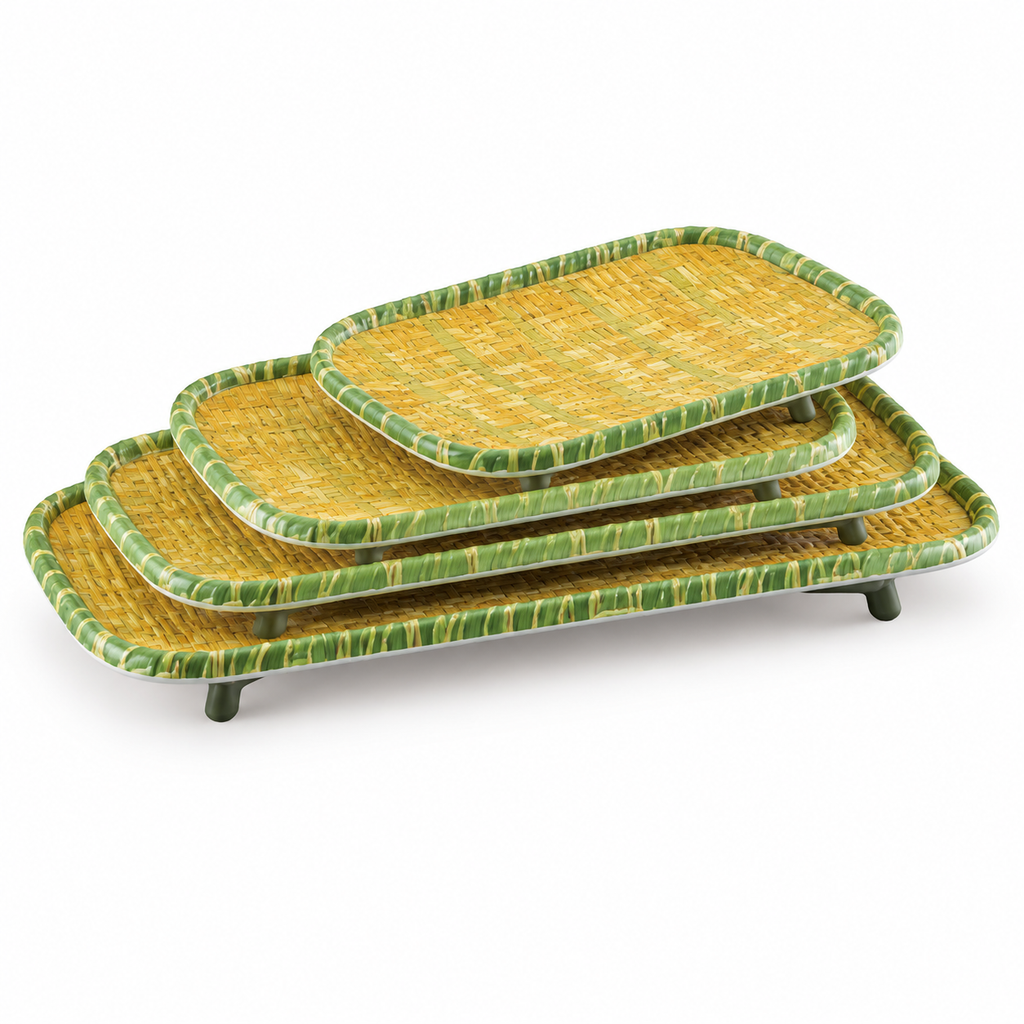
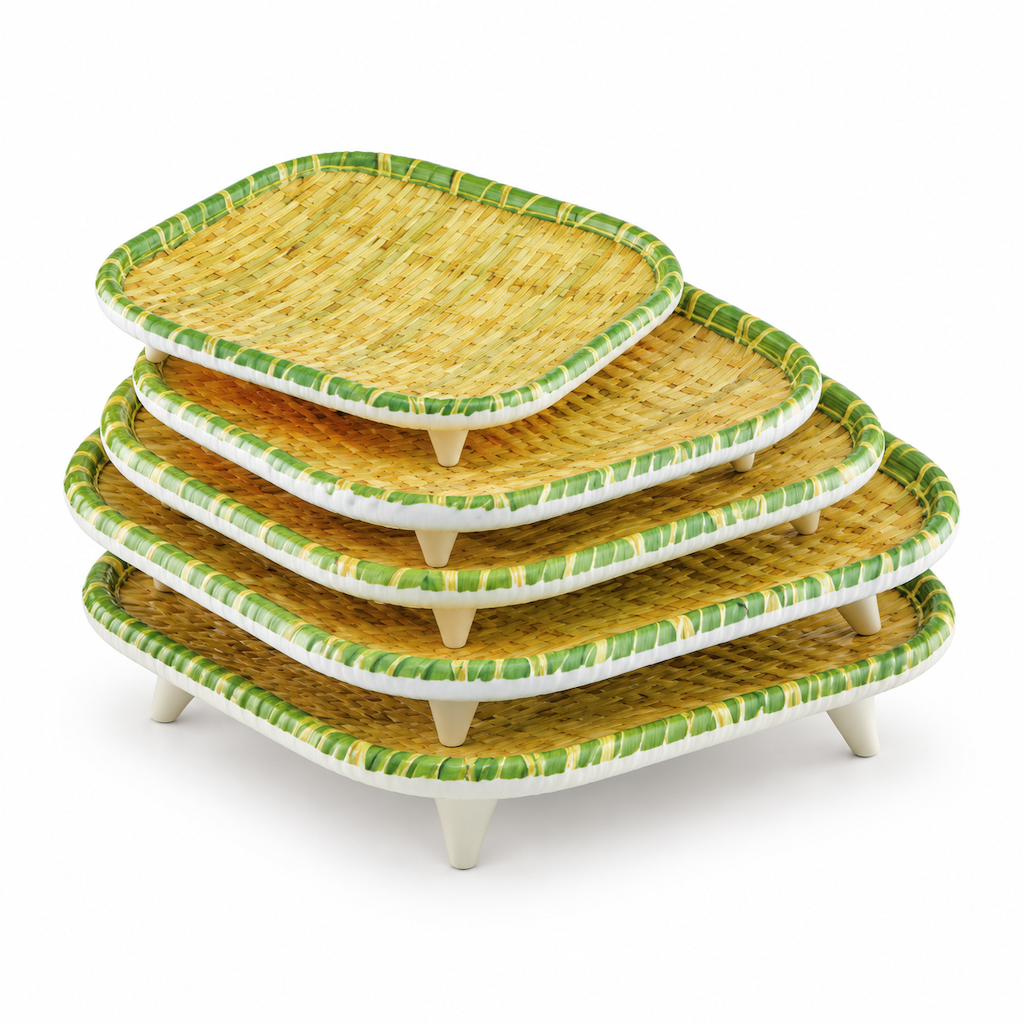
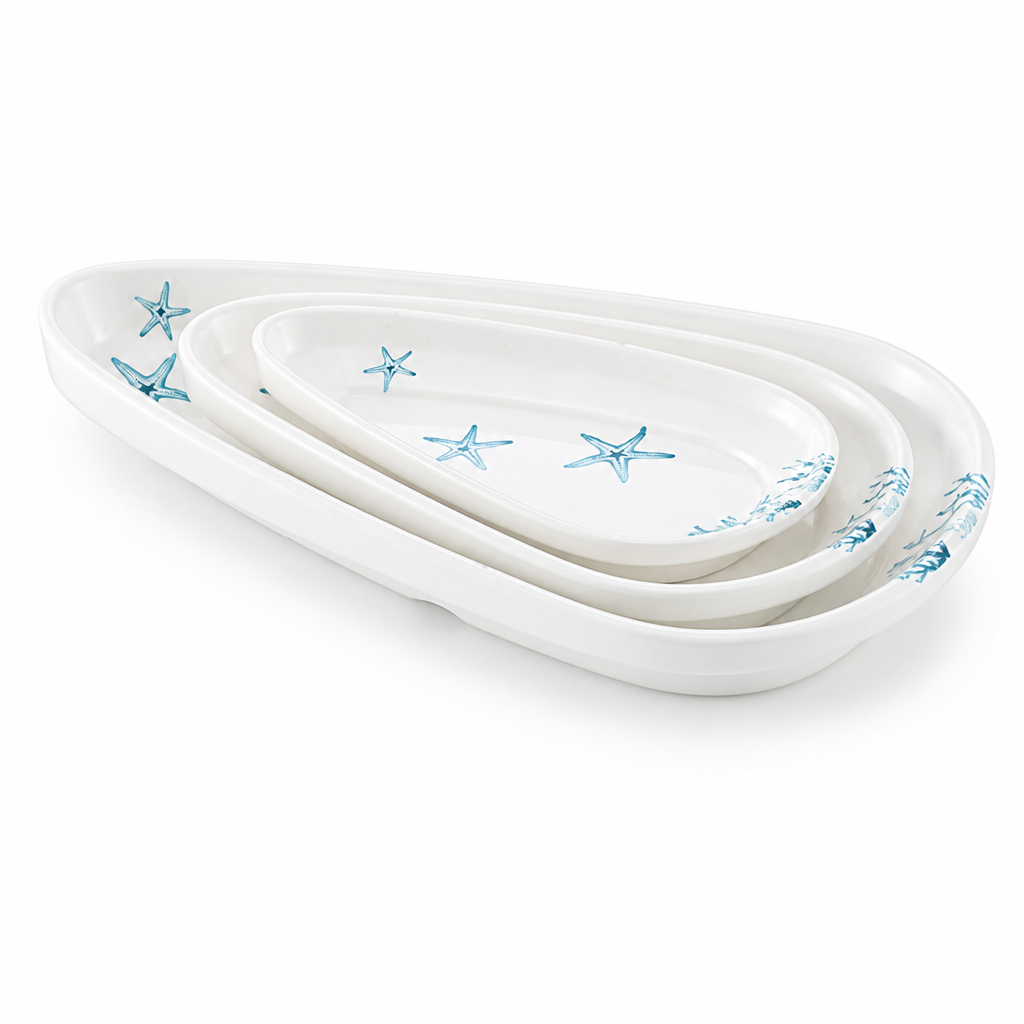
Melamine serving spoons find extensive use across various hospitality applications. They are commonly employed in buffets, catering services, and restaurant kitchens due to their lightweight nature and ease of handling. Their non-porous surface makes them ideal for serving sauces, salads, and hot dishes without the risk of absorbing flavors or odors. For instance, using Melamine Plates alongside these spoons can create a cohesive dining experience.

In buffet settings, melamine serving spoons are favored for their ability to withstand frequent use while maintaining an attractive appearance. Their vibrant colors and designs can complement various table settings, enhancing the overall dining experience. Additionally, they are suitable for outdoor events, as melamine is less prone to breaking compared to glass or ceramic alternatives.

Furthermore, melamine serving spoons are an excellent choice for food prep in commercial kitchens. Their sturdy construction allows for efficient mixing, serving, and portioning, making them indispensable tools for chefs and kitchen staff.

Installation Guidance for Melamine Serving Spoons in Commercial Use

Installation Guidance for Melamine Serving Spoons in Commercial Use

While the installation of melamine serving spoons is straightforward, proper handling and usage guidelines are essential to maximize their lifespan. First, ensure that all staff members are trained in the correct use of these utensils. They should be instructed not to use metal utensils with melamine, as this can scratch the surface and lead to premature wear.

For storage, melamine serving spoons should be kept in a clean, dry area, ideally in designated bins or containers to prevent damage. Avoid stacking heavy items on top of them, as this can lead to deformation. Regular inspections for chips or cracks should also be conducted, and any damaged spoons should be removed from service immediately to maintain food safety standards.

Lastly, when washing melamine serving spoons, it’s advisable to use mild detergents and avoid harsh chemicals that may degrade the material. Hand washing is preferred, but if a dishwasher is used, ensure it's set to a gentle cycle to prevent potential warping from high heat.

Material Advantages of Melamine in Serving Utensils

Material Advantages of Melamine in Serving Utensils

Melamine's popularity in the production of serving utensils, such as serving spoons, stems from several inherent material advantages. Firstly, melamine is known for its high durability and resistance to breakage, making it a safe choice in busy environments. Unlike glass or ceramic, melamine does not shatter, reducing the risk of injury in commercial kitchens or dining settings.

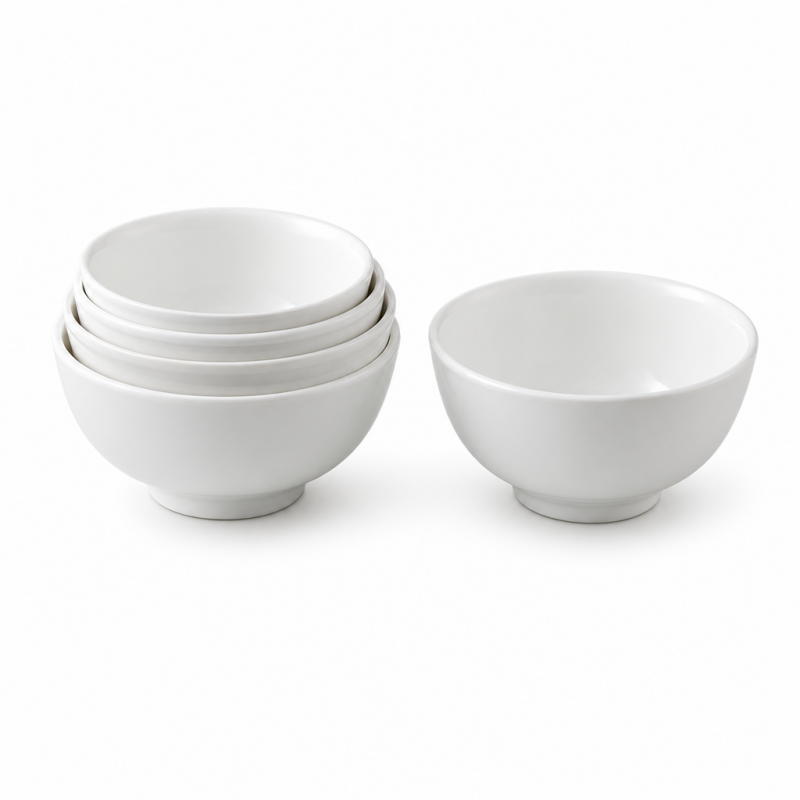
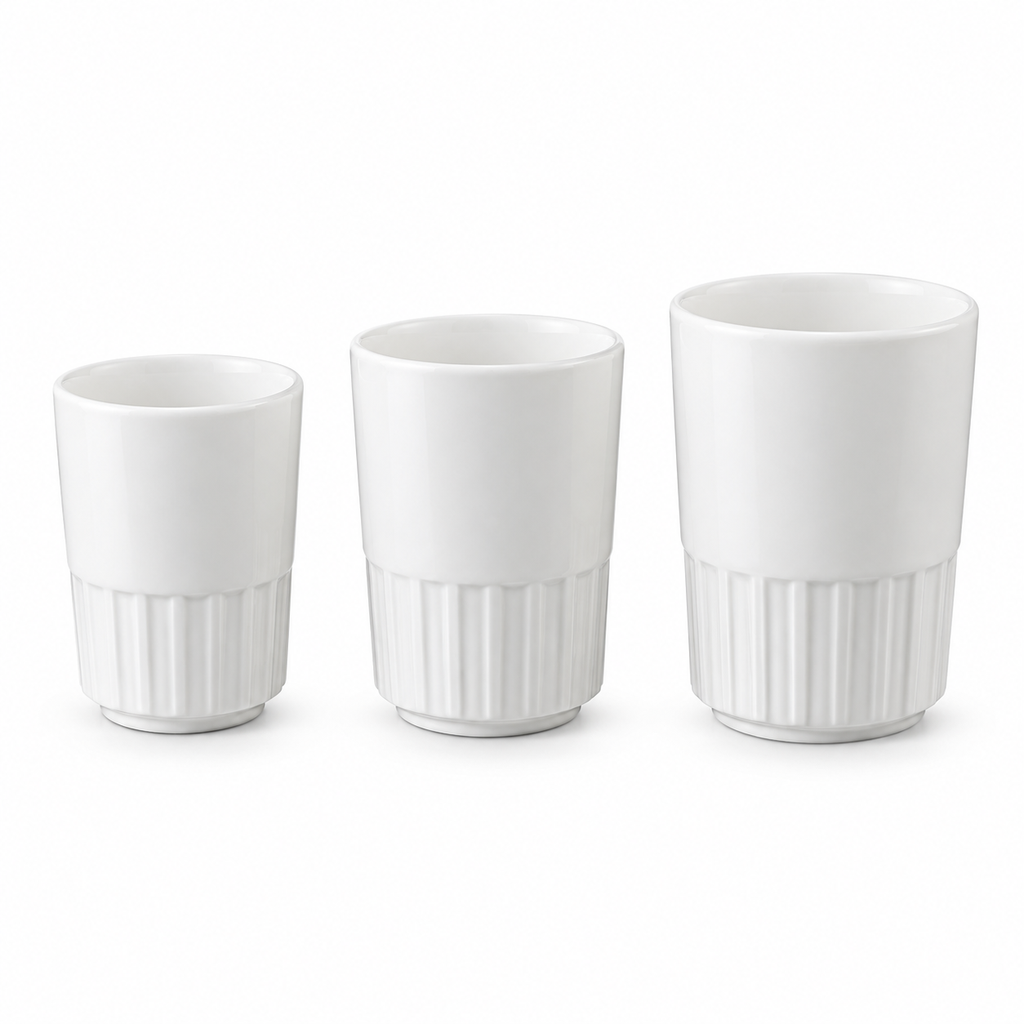
Additionally, melamine is lightweight, which contributes to ease of use for staff during service. This characteristic is particularly beneficial in buffet-style settings where quick refills and constant handling are required. Melamine Bowls can also complement the use of serving spoons in these scenarios.

Another significant advantage of melamine is its versatility in design. The material can be molded into various shapes and colors, allowing businesses to customize their serving utensils to match branding or theme requirements. Moreover, melamine is resistant to heat, making it suitable for serving hot foods without compromising integrity.

Finally, melamine’s non-porous surface ensures that it does not absorb bacteria or odors, which is crucial for maintaining hygiene standards in food service.

Comparing Melamine Serving Spoons for Wholesale Purchasing Decisions

When considering wholesale purchases of melamine serving spoons, several factors should be evaluated to ensure the best selection for your needs. Key specifications to compare include size, design, and weight. Typical sizes range from 10 to 14 inches, but options may vary based on specific applications, such as serving soups versus salads.

Design is another critical aspect. While many suppliers offer standard white or neutral colors, there are also vibrant options that can enhance the presentation of food. Customization options, such as branding or logo printing, can also be a deciding factor for many businesses.

Weight is an often-overlooked specification that can impact usability. Heavier spoons may provide a more substantial feel but can be cumbersome during extended use. Conversely, lighter options are easy to handle but may feel less durable.

Buyers should also consider the supplier's minimum order quantity (MOQ) and lead times. Ensuring that the supplier can meet your volume needs within the desired timeframe is essential for maintaining inventory levels. Lastly, it’s prudent to request samples for evaluation before committing to a large order. This allows for an assessment of quality, design, and usability in real-world conditions, helping to avoid potential issues during mass production.

By keeping these considerations in mind, buyers can make informed decisions when selecting melamine serving spoons that will meet their operational needs and enhance the dining experience in hospitality settings.

Common Problems with Melamine Serving Spoons and Solutions

One of the primary concerns buyers have when selecting melamine serving spoons is their durability under high-traffic conditions. Melamine, while robust, can sometimes chip or crack if subjected to excessive force or dropped from a height. To mitigate this risk, choosing spoons with reinforced edges or thicker profiles can enhance their resilience.

Another common issue is discoloration over time, especially when exposed to strong pigments in food. This can affect the aesthetic appeal in a hospitality environment. To counteract this, it’s advisable to select melamine serving spoons that are UV resistant and manufactured with high-quality additives that prevent staining.

Lastly, some buyers worry about compliance with food safety regulations. Melamine serving spoons should carry FDA and LFGB certifications, ensuring they are safe for food contact. Confirming these certifications with suppliers before purchase is essential to ensure compliance with local health regulations.

Frequently Asked Questions

What materials are used in this melamine serving spoon?

Our serving spoon is made from high-quality melamine resin formulated for durability and safe food contact, produced in our specialized molding facilities and compliant with FDA and LFGB standards.
Yes. The spoon meets FDA and LFGB food safety requirements and is produced in our certified facilities with strict quality controls for hotel and retail use.
Yes. We offer OEM and ODM customization including color, size, logo, and packaging to meet your brand and operational needs.
We operate a 70,000 m² production base with daily output up to 1 million pieces. Typical lead times depend on order size; contact us for a tailored schedule.
Hand washing with mild detergent is recommended. Avoid high-temperature ovens and direct flame. Melamine is durable but not suitable for microwave or continuous high-heat exposure.

Get a Free Quote

Our representative will contact you soon.
0/1000