How to Choose Quality Melamine Salad Plates

application/salad-plates-melamine, application/salad-plates-melamine, 
Inquiry
Inquiry

salad plates melamine

Melamine salad plates are an essential addition to any catering service, restaurant, or food service establishment that values durability, aesthetics, and functionality. As a B2B buyer, understanding what to look for in quality melamine salad plates is crucial to ensuring that you make a sound investment. This article will guide you through key factors to consider when sourcing these products, including specifications, supplier reliability, cost considerations, and common challenges associated with melamine salad plates.

Key Specifications for Melamine Salad Plates You Should Know

Key Specifications for Melamine Salad Plates You Should Know

When purchasing melamine salad plates, there are several key specifications to keep in mind:

Thickness: Typically, melamine plates range from 1.5mm to 5mm in thickness. Thicker plates are generally more durable and resistant to warping under heat.

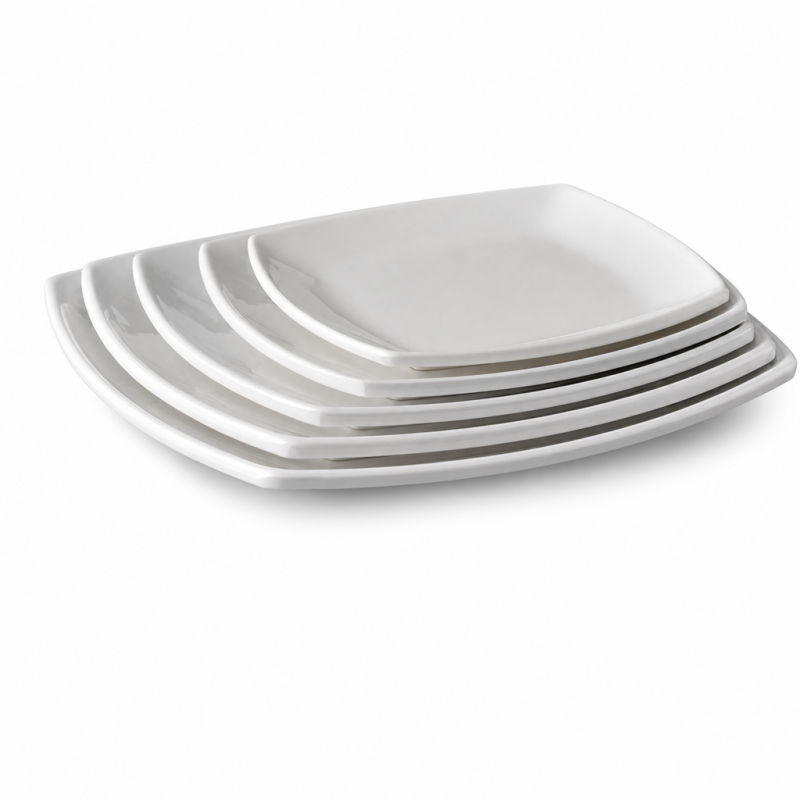
Dimensions: Common sizes for salad plates include 7 inches to 12 inches in diameter. The size you select should align with your menu offerings and portion sizes.

Weight: The weight of the plate can affect its stability and usability. Heavier plates may stay in place better on tables or serving stations.

Temperature Resistance: Melamine plates can typically withstand temperatures up to 120°C. Ensure that the chosen plates can handle the heat from hot foods without compromising their structure.

Surface Treatment: Look for plates with a non-porous surface that is easy to clean and resistant to stains from sauces or oils.

Understanding these specifications will help you make informed decisions and select products that align with your requirements.

Where to Source Reliable Melamine Salad Plate Suppliers

Where to Source Reliable Melamine Salad Plate Suppliers

Finding reliable suppliers for melamine salad plates involves thorough research. Start by checking industry directories and trade shows where manufacturers showcase their products. Look for suppliers with a solid reputation in the industry, positive customer reviews, and strong certifications, such as FDA and LFGB.

Additionally, consider reaching out to manufacturers with proven experience in producing melamine tableware, like Guangzhou Hucheng Melamine Products Co., Ltd. Their extensive production capabilities and commitment to quality assurance can provide peace of mind.

Another effective method is to ask for samples before placing a large order. This allows you to evaluate the quality, design, and finish of the plates firsthand. During this process, also inquire about their lead times, minimum order quantities (MOQ), and customization capabilities to ensure they align with your purchasing needs.

Cost Factors to Consider When Purchasing Melamine Salad Plates

Cost Factors to Consider When Purchasing Melamine Salad Plates

The cost of melamine salad plates can vary widely depending on several factors. First, the quality of the material will directly impact pricing. Higher-grade melamine typically costs more but offers better durability and safety.

Customization options, such as printing your logo or custom designs, can also increase costs. Be sure to obtain detailed quotes from suppliers that break down the pricing for different quantities and customization levels.

Additionally, consider transportation and shipping costs, particularly if you are sourcing from international suppliers. Factor in potential tariffs and import duties that may apply depending on your location.

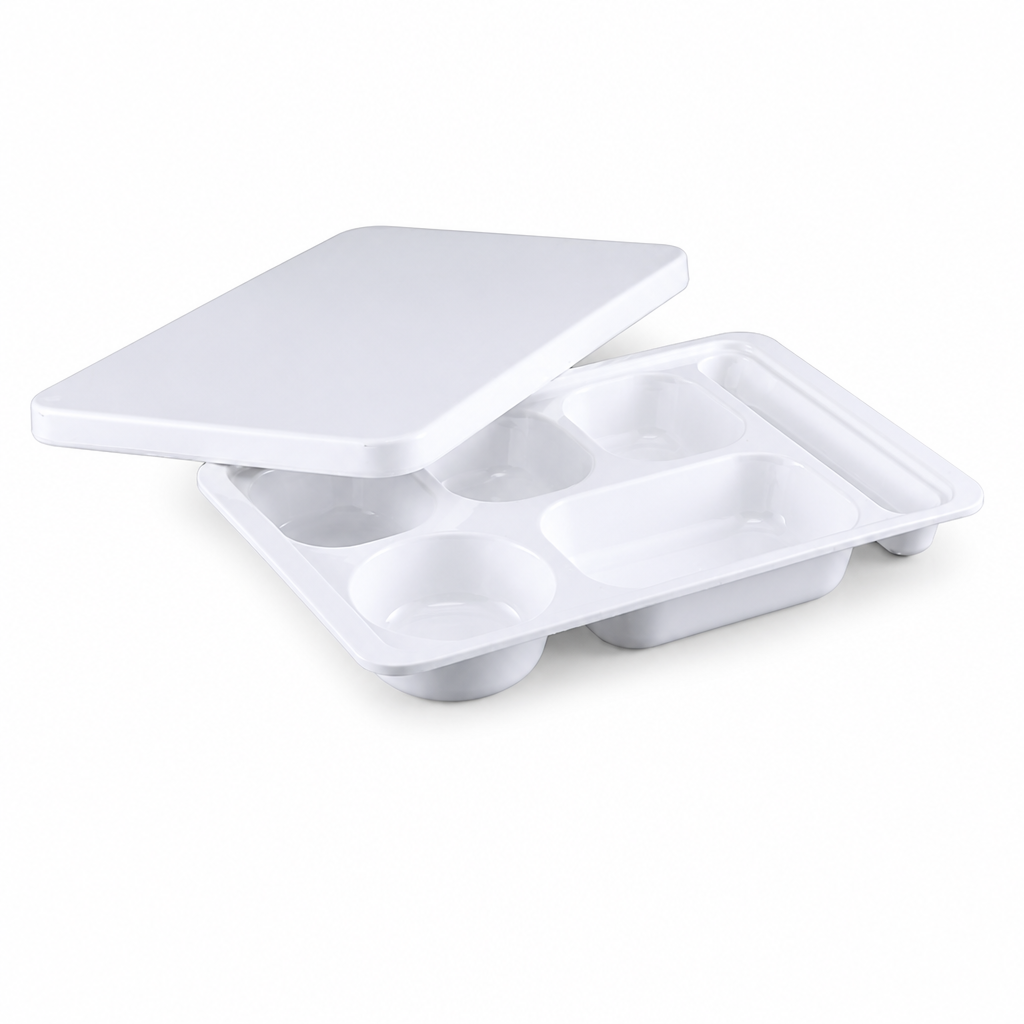
Finally, evaluate the total cost of ownership, which includes the expected lifespan of the plates and their maintenance requirements. Investing in higher-quality plates, such as Melamine Divided Plates, may result in lower replacement costs over time.

Common Problems with Melamine Salad Plates and Their Solutions

While melamine salad plates are generally durable, there are common issues that buyers should be aware of:

Chipping or Cracking: While melamine is resistant to breaking, it can chip or crack under harsh conditions. To minimize this risk, ensure that your staff is trained to handle the plates properly and avoid stacking them too high during storage.

Stains and Odors: Some food items can stain melamine surfaces. To address this, choose plates with a non-porous surface and ensure they are cleaned promptly after use. Using a mild detergent and avoiding abrasive cleaners can also help maintain their appearance.

Heat Resistance: While melamine plates can withstand moderate heat, placing them in an oven or microwave is not advisable. To avoid warping, ensure that all staff are informed of the limits of melamine materials.

By anticipating these issues and implementing preventive measures, you can enhance the longevity and performance of your melamine salad plates.

By understanding these considerations, you can make informed purchasing decisions that meet your operational needs while ensuring the best possible experience for your customers.

How to Choose Quality Melamine Salad Plates for Wholesale Orders

Selecting quality melamine salad plates for wholesale orders involves several considerations. First, assess the material quality. Melamine is known for its durability and resistance to breakage, making it suitable for high-traffic environments. However, not all melamine is created equal; seek plates made from high-grade, food-safe melamine that complies with FDA and LFGB standards. For instance, consider using Melamine Plates that are specifically designed for commercial use.

Next, consider the design and finish. Aesthetics play a significant role in the dining experience. Look for plates that offer a variety of colors and patterns to match your brand's theme. Additionally, ensure that the plates are dishwasher-safe and resistant to staining and scratching, which will enhance their longevity.

Lastly, evaluate the supplier's customization options. As a buyer, you may want to add your logo or specific designs to the plates. A reliable supplier should offer OEM/ODM services to meet your branding needs, including options for Decal Series designs.

Frequently Asked Questions

What are salad plates melamine made of?

Our salad plates are made from high-quality melamine resin, formulated for durability, lightweight handling, and long-lasting color and gloss.
Yes. Our plates meet FDA and LFGB standards for food contact, ensuring they are safe for everyday use in homes, hotels, and restaurants.
We offer OEM/ODM customization for sizes, colors, patterns, and logos to meet hotel and retailer specifications through our production facilities.
Lead time depends on order size and customization; with large capacity we can support fast turnaround. Contact us with details for an accurate timeline.
Yes. With a 70,000 m² facility and one million daily output, we support bulk production and competitive wholesale pricing for global clients.

Get a Free Quote

Our representative will contact you soon.
0/1000

Related product categories