The Advantages of Using Melamine in Scalloped Plate Manufacturing
Melamine offers several advantages when used in scalloped plate manufacturing. One of the primary benefits is durability; melamine plates are resistant to breakage, making them suitable for high-use environments. Unlike ceramic or glass plates, they can withstand drops and impacts without shattering, reducing replacement costs and minimizing waste.
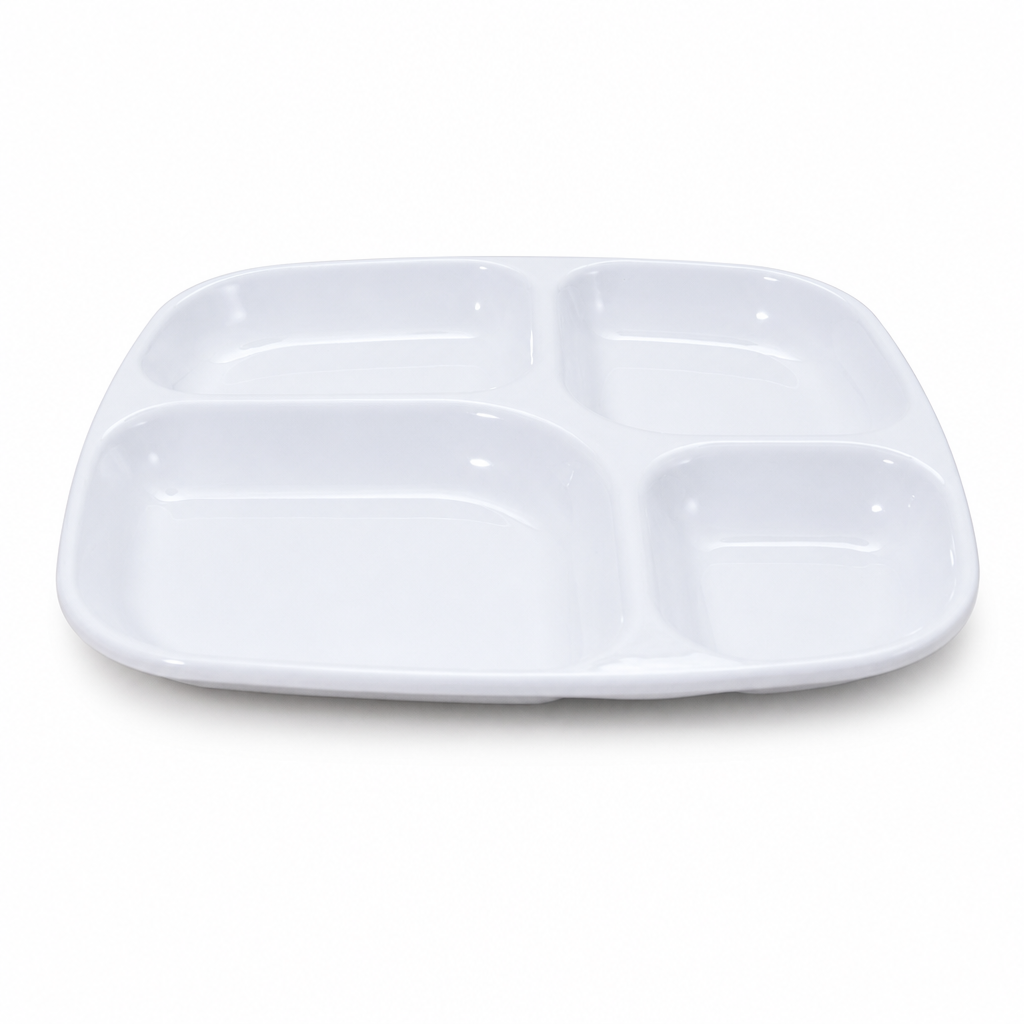
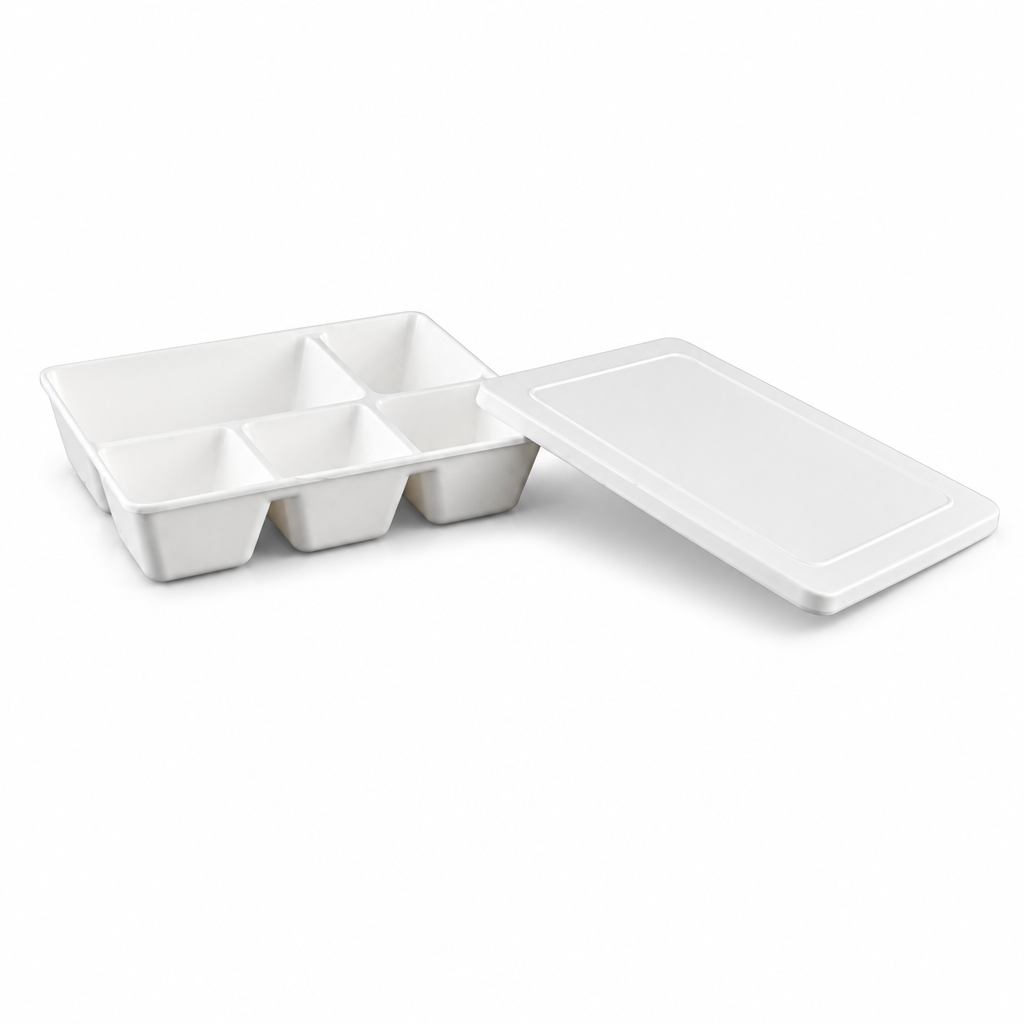
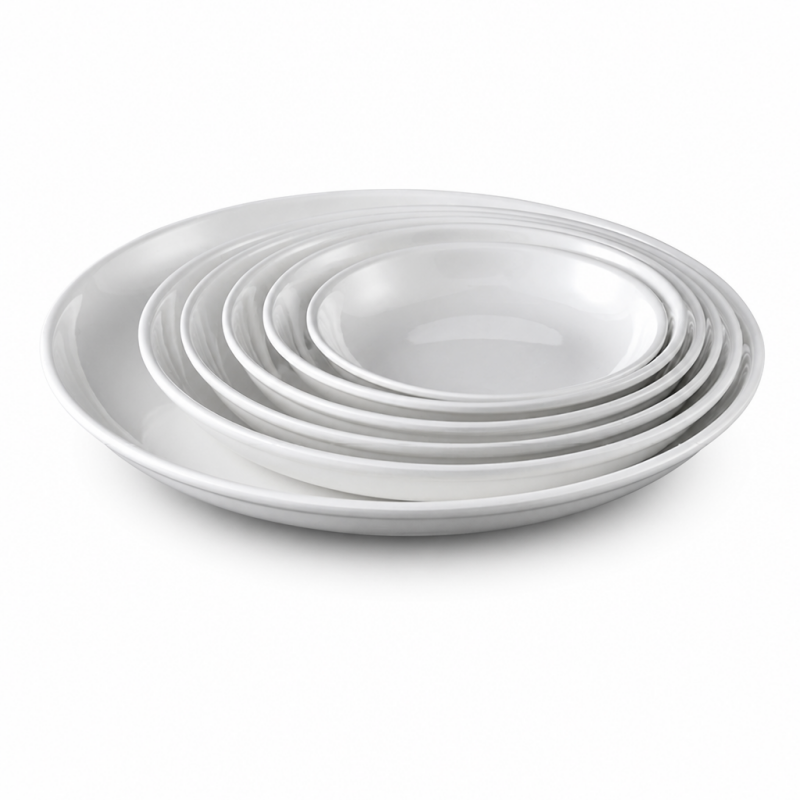
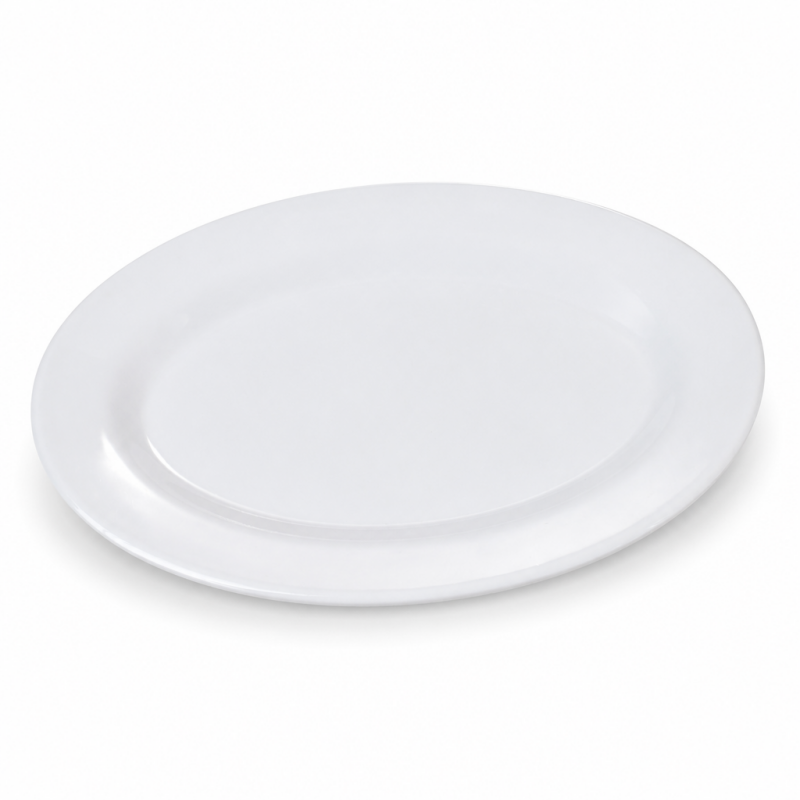
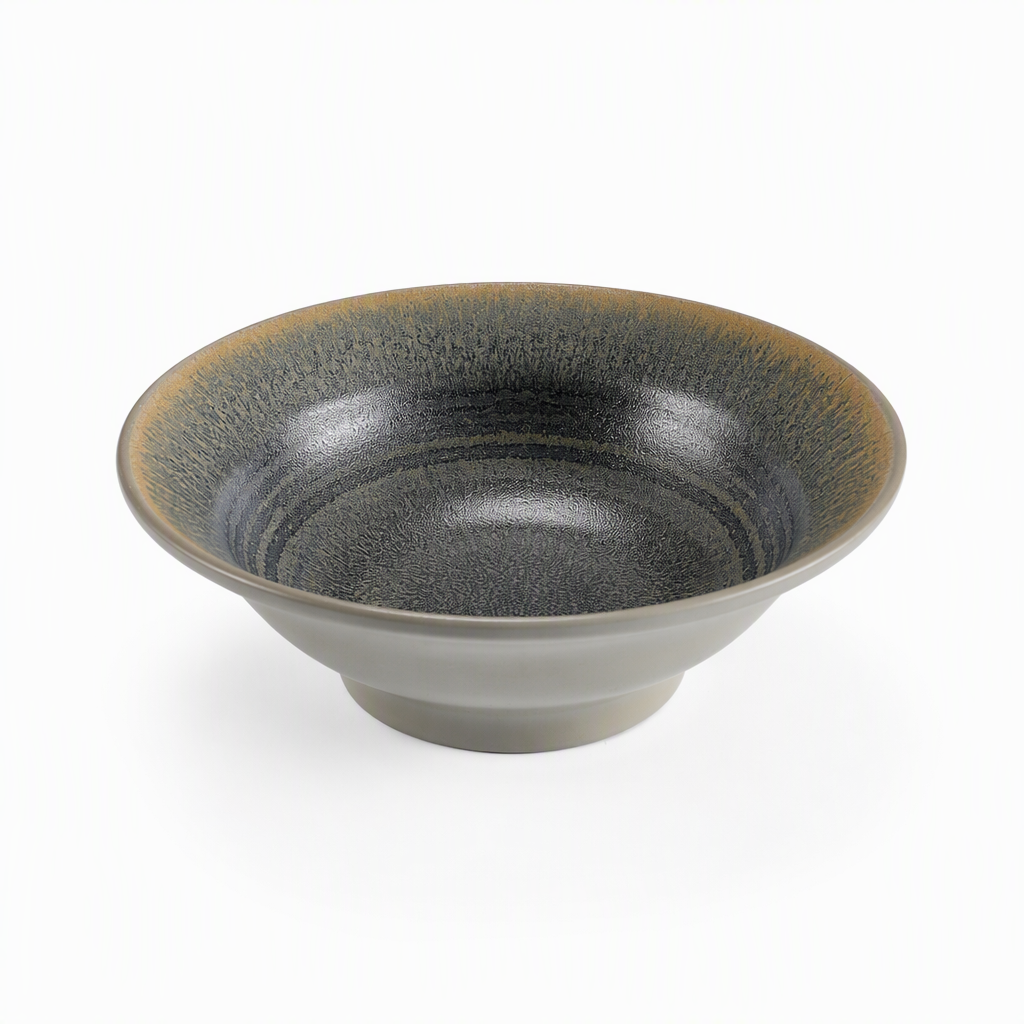
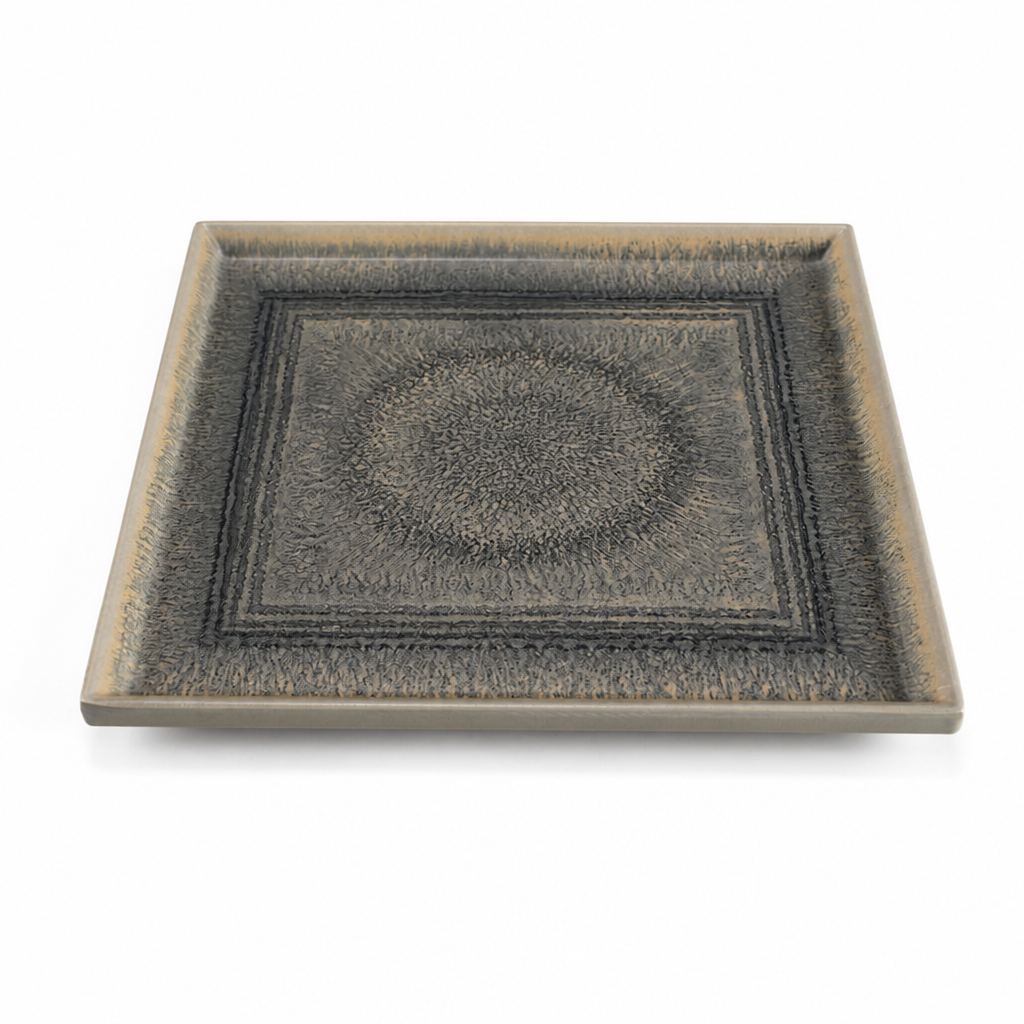
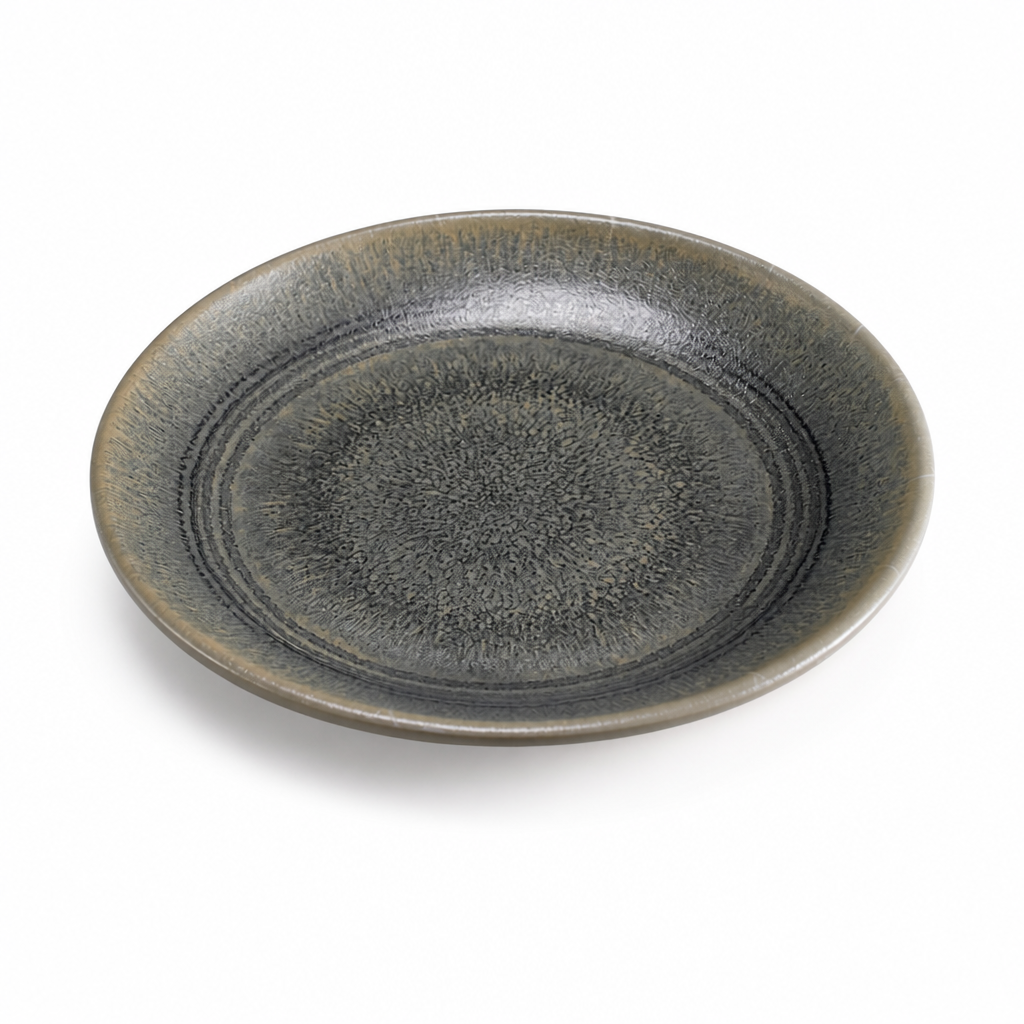
Another advantage is the versatility of design. Melamine can be molded into various shapes and colors, allowing for creative designs that enhance dining experiences. The ability to customize colors and patterns means businesses can align their tableware with branding or seasonal themes.
Furthermore, melamine plates are lightweight, making them easier to transport and handle compared to heavier materials. This lightweight nature can be particularly beneficial for catering services and outdoor events, where ease of setup and breakdown is essential.
Lastly, melamine is easy to clean and maintain. Most melamine plates are dishwasher safe, allowing for quick turnaround times in busy commercial kitchens. This ease of maintenance contributes to their growing popularity across various industries, ensuring that businesses can maintain high standards of hygiene and presentation with minimal effort.
 EN