Sourcing Melamine Dessert Plates for Your Business

application/melamine-dessert-plates, application/melamine-dessert-plates, 
Inquiry
Inquiry

melamine dessert plates

Melamine dessert plates are a versatile and practical choice for various commercial applications, particularly in the hospitality and retail sectors. As a B2B buyer, understanding the specifications, sourcing strategies, and quality considerations is crucial when selecting these plates for your business. This article will provide valuable insights into melamine dessert plates, addressing key specifications, supplier sourcing, quality factors, potential issues, and installation guidance to help you make informed purchasing decisions.

Where to Find Reliable Wholesale Suppliers of Melamine Dessert Plates

Where to Find Reliable Wholesale Suppliers of Melamine Dessert Plates

Finding a trustworthy supplier for melamine dessert plates is essential for establishing a consistent and quality supply chain. Here are some avenues to explore:

Industry Trade Shows: Attending trade shows related to hospitality supplies can provide direct access to manufacturers and wholesalers. This allows you to inspect products firsthand and establish relationships with potential suppliers.

Online B2B Marketplaces: Platforms like Alibaba, Global Sources, and ThomasNet are effective for discovering multiple suppliers. Filter your search to include only those with positive reviews and relevant certifications.

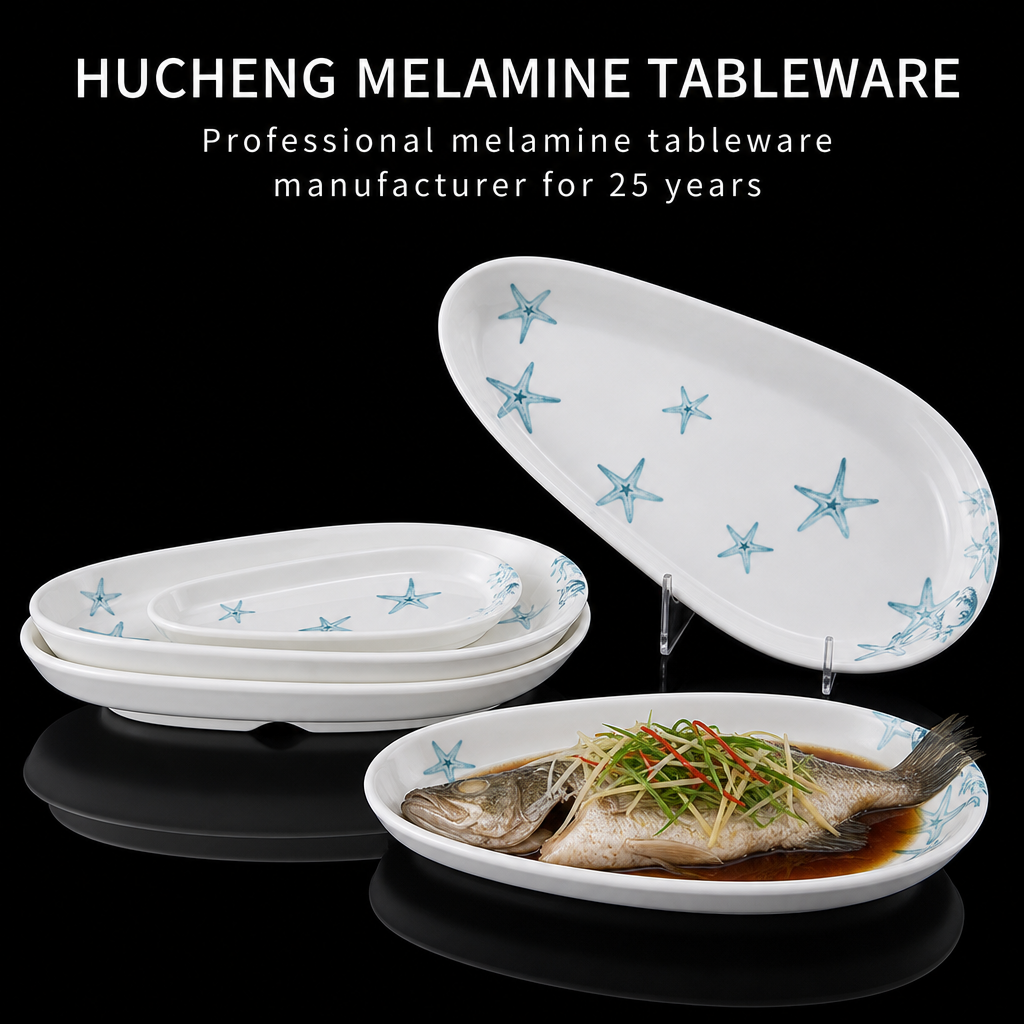
Manufacturer Directories: Utilize directories that list verified manufacturers. Guangzhou Hucheng Melamine Products Co., Ltd., for example, specializes in melamine tableware and offers OEM/ODM customization tailored to hotels and retailers.

Networking within Industry Associations: Connect with industry associations or trade organizations to receive recommendations for reputable suppliers. Networking can also lead to insights about suppliers' reliability and product quality.

Requesting Samples: Before placing a bulk order, request samples to evaluate quality, design, and functionality. This step can help avoid costly mistakes and ensure the products meet your expectations.

Quality and Cost Factors to Evaluate

Quality and Cost Factors to Evaluate

When evaluating suppliers of melamine dessert plates, both quality and cost are significant factors that can impact your purchasing decision.

Quality Control Processes: Investigate the supplier's quality control measures. A reputable manufacturer should have rigorous testing protocols throughout the production process. Look for information on their quality assurance certifications and inspection routines.

Production Capacity and Lead Times: Assess the supplier's production capacity to ensure they can meet your order volume, especially during peak seasons. Understanding lead times is crucial for inventory management, so inquire about their average production and shipping timelines.

Cost Structure: Analyze the total cost, including unit price, shipping fees, and any potential customs duties. Be cautious of suppliers offering significantly lower prices, as this may indicate compromise on quality or service.

Customization Costs: If you require customized designs, clarify the additional costs and minimum order quantities (MOQs) associated with these requests. Some suppliers may have flexible MOQ policies, which can be advantageous for smaller businesses.

Warranty and Return Policies: Understand the warranty terms and return policies of the supplier. A reliable supplier should offer a reasonable warranty period and a clear return process for defective products.

Common Problems with Melamine Dessert Plates and Effective Solutions

Common Problems with Melamine Dessert Plates and Effective Solutions

While melamine dessert plates are known for their durability, several common issues may arise during use. Here are effective solutions to address these challenges:

Chipping and Cracking: Although melamine is resistant to breakage, improper handling can lead to chips or cracks. To minimize this risk, train staff on proper handling techniques and avoid stacking plates too high during storage.

Staining: Certain foods can stain melamine surfaces, especially if left unwashed for extended periods. To combat staining, encourage prompt washing and consider using a non-abrasive cleaner to maintain the plates' appearance.

Warping: Exposure to high temperatures, such as in a commercial dishwasher, can cause warping. Ensure that the plates are dishwasher-safe and verify the temperature limits with the manufacturer.

Fading Colors: Over time, colors may fade due to prolonged exposure to sunlight or harsh cleaning agents. Choose plates with UV-resistant finishes and recommend gentle cleaning methods to preserve their vibrant appearance.

Odor Retention: Occasionally, melamine plates can absorb odors from certain foods. Regular cleaning with vinegar or baking soda can help eliminate lingering smells and maintain freshness.

Installation Guidance for Melamine Dessert Plates in Commercial Settings

Installing melamine dessert plates in a commercial environment requires attention to functionality and presentation. Here are key considerations:

Storage Solutions: Use dedicated shelving or storage units to keep plates organized and easily accessible. Avoid stacking heavy items on top of melamine plates to prevent damage.

Serving Techniques: Train staff on effective serving techniques that highlight the aesthetic appeal of the plates. Encourage the use of garnishes and plating techniques that complement the plate design.

Display Options: For restaurants and buffets, consider using display stands or risers to showcase desserts creatively. This not only enhances presentation but also encourages customers to engage with the offerings.

Hygiene Practices: Establish strict hygiene protocols for plate handling and washing. Ensure that staff understands the importance of using appropriate cleaning agents to maintain the integrity of the melamine.

Regular Inspections: Implement a routine inspection process to assess the condition of the plates. Regularly check for signs of wear or damage, and replace any plates that no longer meet quality standards.

By understanding the specifications, sourcing strategies, quality factors, common problems, and installation guidance related to melamine dessert plates, B2B buyers can make well-informed decisions that align with their business needs.

Key Specifications to Consider When Sourcing Melamine Dessert Plates

When sourcing melamine dessert plates, several specifications are critical for ensuring the product meets your operational needs.

Material Composition: Melamine is a durable thermosetting plastic known for its resistance to breaking and chipping. Ensure that the melamine used is of high quality, as this can affect the durability and safety of the plates. FDA and LFGB certifications indicate compliance with food safety standards, which is essential for food service applications. For example, White Textured Melamine Drinking Cups for Restaurants & Hotels are another excellent option that meets these standards.

Dimensions and Weight: The size of the plates should correspond to your menu items and serving requirements. Standard sizes for dessert plates typically range from 6 to 10 inches in diameter. The weight can also impact usability, especially in a busy restaurant setting.

Heat Resistance: Consider the heat resistance of the melamine material. Most melamine plates can withstand temperatures up to 180°F (82°C), making them suitable for serving cold and warm dishes. If the plates will be used in environments with higher temperatures, confirm that the specific product can endure these conditions without warping or degrading.

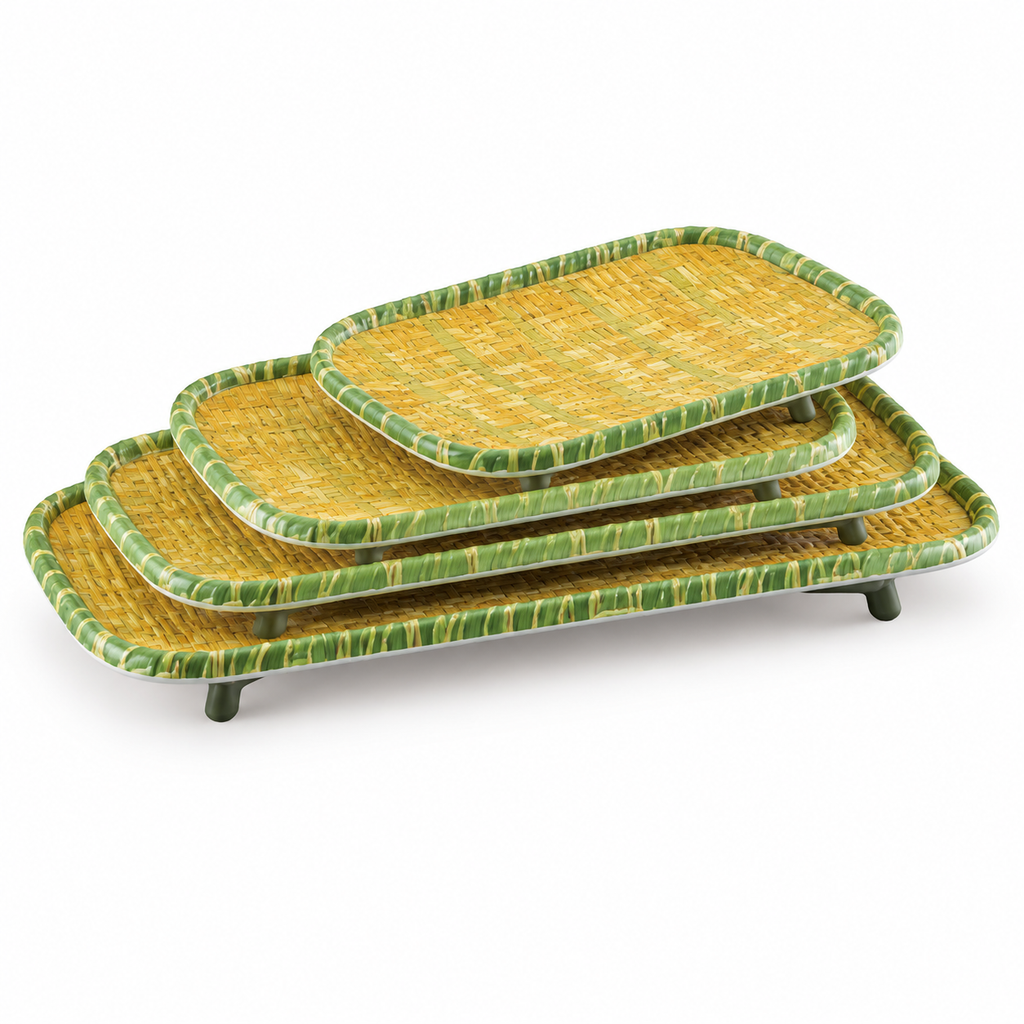
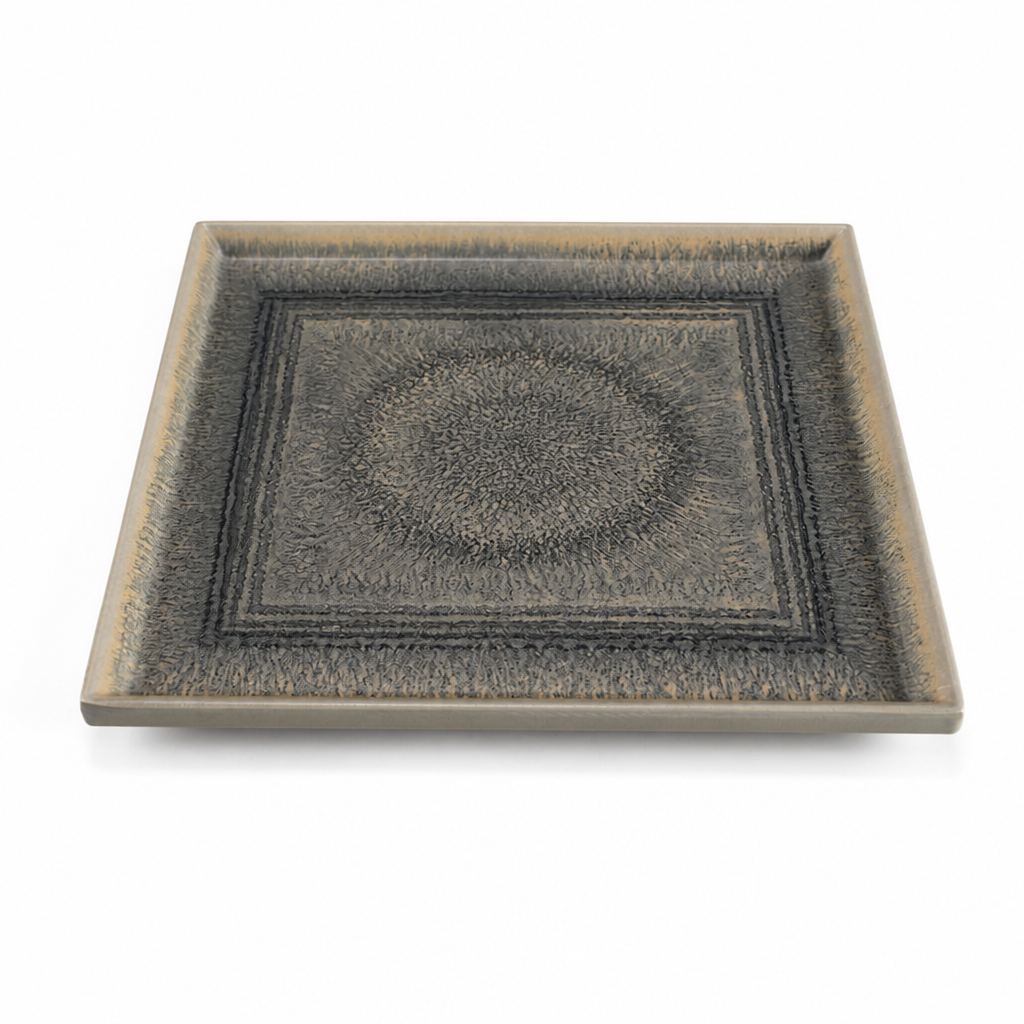
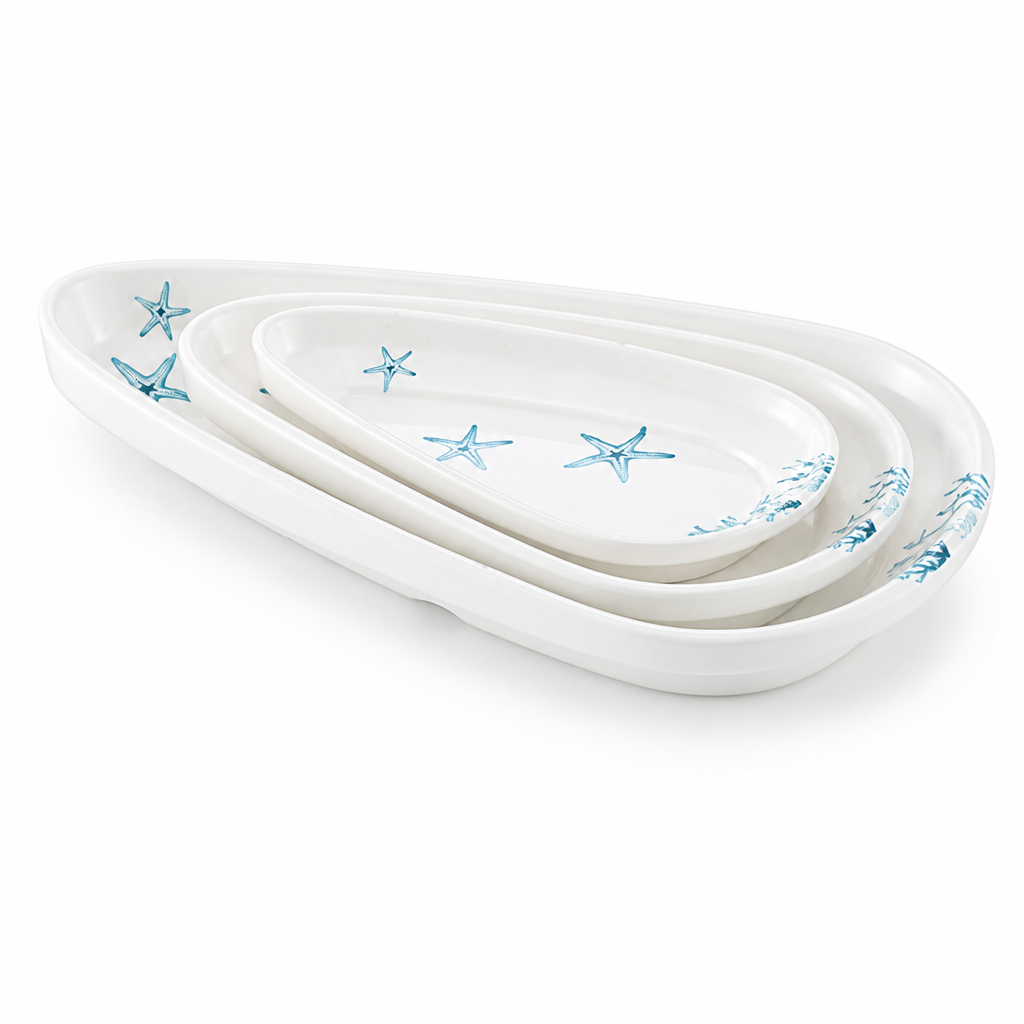
Design and Aesthetics: Customization options for colors and patterns can enhance the presentation of your desserts. Many manufacturers offer OEM/ODM services, allowing you to create unique designs that align with your brand identity. For instance, consider exploring Bamboo Pattern Melamine Square Plates for Restaurants & Hotels for a distinctive look.

Surface Finish: A smooth, glossy finish not only enhances aesthetic appeal but also makes cleaning easier. Evaluate the surface treatment to ensure it resists stains and scratches, which is particularly important in high-turnover commercial settings.

Frequently Asked Questions

What materials are used in these melamine dessert plates?

Our dessert plates are made from high-grade melamine resin and food-safe molding compounds, ensuring durability and lightweight performance suitable for commercial and home use.
Yes. The plates meet FDA and LFGB safety standards and are produced under quality controls to ensure they are safe for serving food.
Yes. We offer OEM/ODM customization including colors, patterns, logos, and packaging to meet hotel and retailer branding requirements.
With a 70,000 m² facility and a daily output of 1 million pieces, typical lead times depend on order size; contact us for a specific production schedule and delivery estimate.
Hand washing or dishwasher-safe on top rack is recommended. Avoid high-temperature microwave use and prolonged exposure to boiling liquids to maintain appearance and longevity.

Get a Free Quote

Our representative will contact you soon.
0/1000